StealthTech


Manufacturing organizations are operating in one of the most complex and high-risk cyber environments of any industry today. As factories become more connected, automated, and data-driven, the convergence of operational technology (OT) and information technology (IT) has dramatically expanded the attack surface. What was once a set of isolated production systems is now an interconnected digital ecosystem where a single cyber incident can halt production, disrupt supply chains, and cause millions of dollars in losses within hours.
Ransomware has emerged as one of the most significant threats facing manufacturers, not because of data theft alone, but because of downtime. When production stops, the impact ripples far beyond IT—affecting safety, customer commitments, regulatory obligations, and brand reputation. Traditional cybersecurity approaches, designed primarily for office IT environments, are no longer sufficient to protect manufacturing operations where uptime, safety, and reliability are paramount.
Artificial intelligence is playing a critical role in strengthening cyber resilience across manufacturing environments. By enabling real-time threat detection, behavioral analysis, and rapid isolation of compromised systems, AI is helping manufacturers move from reactive defense to proactive protection. This evolution depends on secure architectures that understand both IT and OT realities.
Stealth Technology Group plays a vital role in this space by securing hybrid IT/OT environments using AI-based detection and isolation, allowing manufacturers to defend critical operations without disrupting production. As adoption of ai manufacturing cybersecurity accelerates, resilience is becoming a strategic capability rather than an emergency response.
Why Manufacturing Has Become a Prime Cyber Target
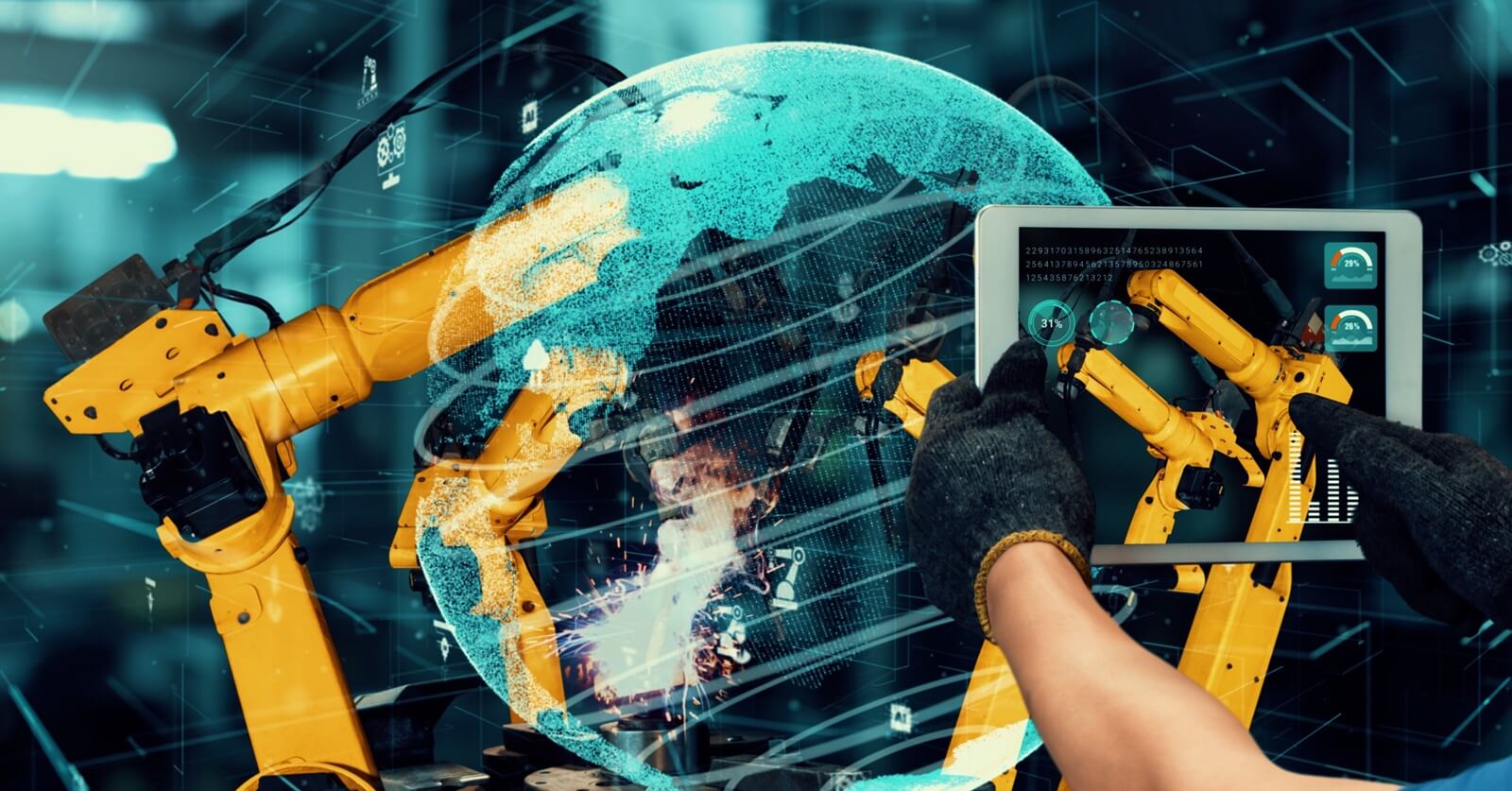
Manufacturers have become prime targets for cybercriminals because they operate under unique pressures that attackers know how to exploit. Unlike many industries, manufacturing cannot tolerate extended downtime. A halted production line can result in missed delivery deadlines, contractual penalties, inventory shortages, and safety risks. This urgency makes manufacturers more likely to pay ransoms quickly, which in turn makes them attractive targets.
The convergence of IT and OT systems has further increased vulnerability. Legacy industrial control systems were not designed with modern cybersecurity threats in mind, yet they are now connected to enterprise networks, cloud platforms, and third-party vendors. Each connection introduces new risk. At the same time, manufacturing environments often operate around the clock, leaving little room for maintenance windows or manual security checks.
Compounding the issue is the shortage of cybersecurity expertise specific to industrial environments. Many security tools focus on IT systems and lack visibility into OT protocols, devices, and behaviors. This gap leaves blind spots that attackers can exploit. As industrial cyber defense becomes more complex, manufacturers must adopt solutions that understand the operational realities of the plant floor as well as the digital risks of modern networks.
Understanding Ransomware Risk in Manufacturing Environments
Ransomware attacks in manufacturing differ significantly from those in traditional office environments. While data encryption and theft still occur, the primary leverage point is operational disruption. Attackers target systems that control production schedules, equipment configurations, and safety mechanisms, knowing that even short outages can have outsized consequences.
Once ransomware infiltrates a manufacturing network, it can spread laterally between IT and OT systems if segmentation is weak. Production controllers, human-machine interfaces, and supervisory systems may all be affected, bringing operations to a standstill. Recovery is often slow, particularly if backups are outdated or incompatible with OT environments.
AI-driven approaches help address this risk by identifying abnormal behavior early, before ransomware can propagate widely. Behavioral analysis detects deviations from normal system activity, even when malware signatures are unknown. This capability is critical in manufacturing, where zero-day attacks and targeted exploits are increasingly common. By strengthening ai manufacturing cybersecurity, organizations gain earlier warning and greater control during incidents.
The Cost of Downtime Goes Beyond Lost Production
Downtime in manufacturing is rarely limited to lost output alone. When production stops, downstream effects cascade quickly across the business. Customer deliveries are delayed, contracts may be breached, and relationships with suppliers and distributors are strained. In regulated industries, downtime can also trigger compliance issues if safety systems are compromised or reporting obligations are missed.
There are also long-term impacts that are harder to quantify. Repeated disruptions erode customer confidence and damage brand reputation. Employees may lose trust in systems they rely on to perform their jobs safely and efficiently. Over time, these intangible costs can outweigh the immediate financial losses associated with an outage.
Cyber resilience addresses this broader risk profile by focusing not only on preventing attacks, but on minimizing impact when incidents occur. AI-based isolation capabilities allow manufacturers to contain threats quickly, limiting downtime to affected segments rather than entire operations. This approach is central to modern industrial cyber defense, where resilience is measured by recovery speed as much as prevention.
How AI Manufacturing Cybersecurity Improves Threat Detection
Traditional cybersecurity tools rely heavily on known signatures and predefined rules, which are often insufficient in dynamic manufacturing environments. AI manufacturing cybersecurity solutions take a different approach by learning what “normal” looks like across both IT and OT systems and identifying deviations that may indicate malicious activity.
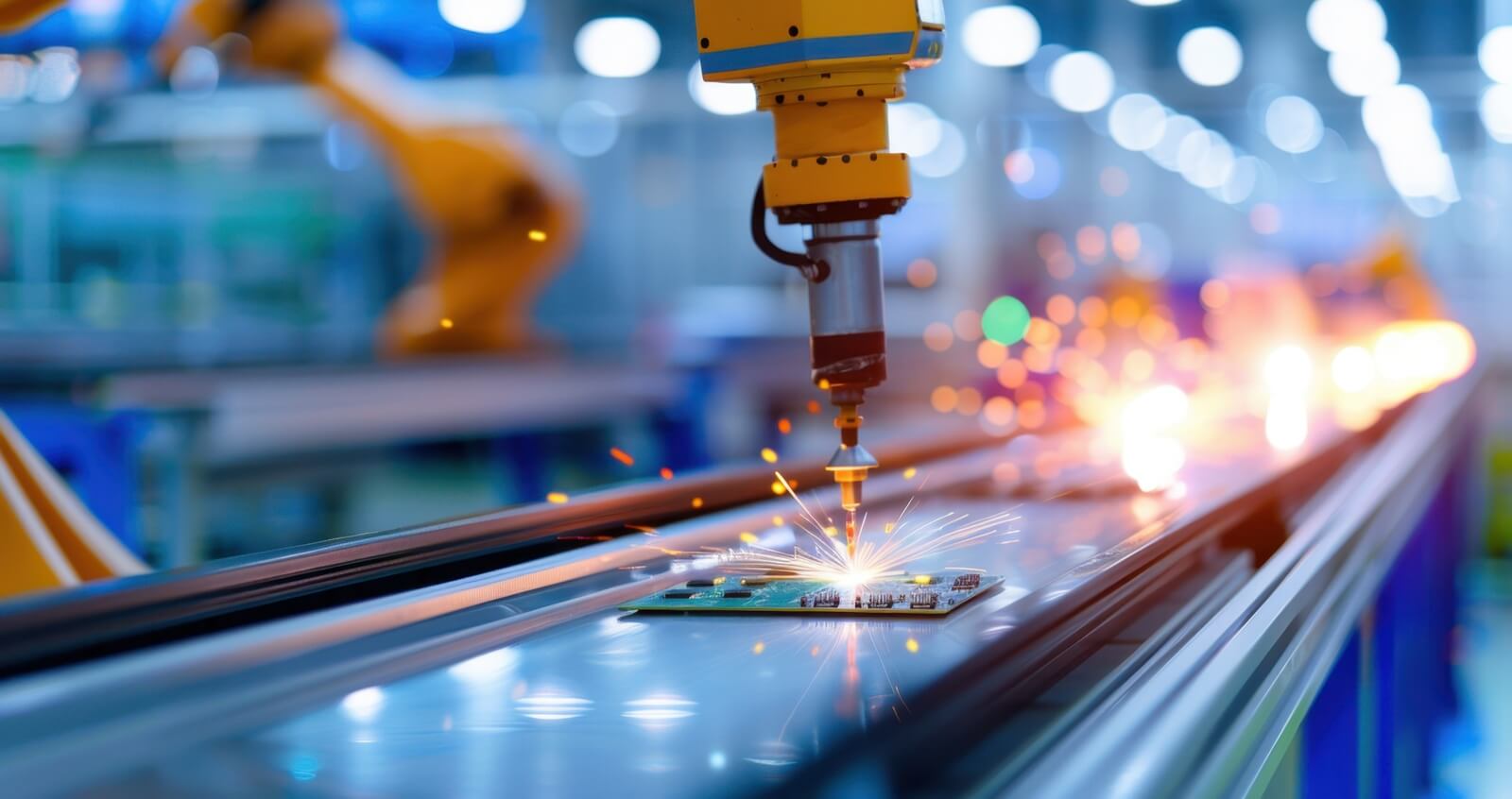
AI models analyze network traffic, device behavior, and system interactions continuously, building baselines specific to each environment. When behavior deviates from these baselines—such as unusual command sequences, unexpected data flows, or abnormal device interactions—alerts are triggered in real time. This allows security teams to investigate and respond before disruptions escalate.
Importantly, AI adapts as environments change. As production lines evolve, equipment is upgraded, or processes shift, AI models update their understanding without requiring constant manual reconfiguration. This adaptability makes ai ot security particularly effective in manufacturing, where static rules quickly become outdated.
Securing OT Systems Without Disrupting Production
One of the greatest challenges in manufacturing cybersecurity is protecting OT systems without interfering with operations. Many OT environments cannot tolerate intrusive scanning, frequent patching, or aggressive security controls that might disrupt processes or violate safety requirements.
AI-based security solutions address this challenge by emphasizing passive monitoring and intelligent analysis rather than disruptive intervention. By observing traffic and behavior without altering system performance, AI provides visibility into OT environments while preserving stability. When threats are detected, isolation can be applied surgically, targeting specific segments or devices rather than shutting down entire lines.
This approach aligns with the realities of manufacturing operations, where uptime and safety are paramount. Effective ai ot security enables protection that works with operational constraints rather than against them, bridging the gap between cybersecurity and production priorities.
Bridging the IT and OT Security Divide
Historically, IT and OT security have operated in silos, with different teams, tools, and priorities. IT focuses on data protection, user access, and compliance, while OT prioritizes availability, safety, and reliability. As these environments converge, this separation becomes a liability.
AI-driven security platforms provide a unified view across IT and OT, correlating signals from both domains to identify threats that span environments. This holistic visibility is essential for detecting lateral movement, where attackers pivot from IT systems into OT networks. By breaking down silos, manufacturers strengthen their overall industrial cyber defense posture.
Unified security also improves communication and coordination during incidents. When IT and OT teams share a common understanding of threats and impacts, response efforts are faster and more effective, reducing downtime and confusion.
Building Cyber Resilience as a Manufacturing Strategy
Cyber resilience in manufacturing is not about eliminating risk entirely, which is unrealistic in a connected world. Instead, it is about anticipating threats, detecting them early, containing their impact, and recovering quickly. AI plays a central role in enabling this resilience by providing continuous intelligence and adaptive defenses.
Resilient manufacturers design security architectures that assume incidents will occur and plan accordingly. This includes segmentation, backup strategies, incident response playbooks, and regular testing. AI enhances each of these elements by improving visibility, prioritizing risks, and accelerating response.
As cyber threats continue to evolve, resilience becomes a competitive differentiator. Manufacturers that can maintain operations in the face of attacks are better positioned to meet customer commitments, protect employees, and sustain growth.
Conclusion: Strengthening Manufacturing Resilience With AI
Manufacturing leaders can no longer view cybersecurity as an IT-only concern. Ransomware and downtime risks now threaten the core of manufacturing operations, making cyber resilience a strategic imperative. Through ai manufacturing cybersecurity, industrial cyber defense, and ai ot security, manufacturers can gain earlier threat detection, faster containment, and greater operational stability across hybrid IT/OT environments.
Stealth Technology Group enables this resilience by securing hybrid IT and OT environments using AI-based detection and isolation. By protecting critical systems without disrupting production, Stealth helps manufacturers reduce downtime risk while strengthening their overall security posture. In an industry where every minute of uptime matters, intelligent, resilient security is not optional—it is essential.
To learn how AI-driven cyber resilience can protect your manufacturing operations, contact us today or speak directly with a specialist at (617) 903-5559. The future of manufacturing security is intelligent, adaptive, and built for resilience.