StealthTech


Most system failures do not happen suddenly or dramatically. Instead, they begin quietly with small performance changes, minor configuration issues, or subtle resource strain that gradually worsens until applications slow, data becomes inaccessible, or entire systems go offline. For business owners, these “silent failures” are especially damaging because they often go unnoticed until productivity is already impacted and customers are already affected.
This is exactly why automated IT alerts have become essential for modern organizations.
Rather than relying on employees to report problems after disruption occurs, automated IT alerts continuously monitor infrastructure, applications, and security signals to detect abnormalities in real time. These alerts surface early warning signs such as rising CPU usage, failing storage, unstable services, or suspicious network behavior, allowing IT teams to intervene before outages escalate into costly business interruptions.
As digital environments grow more complex with cloud platforms, remote employees, and integrated applications, silent failures become harder to detect manually. Automated alerts replace guesswork with visibility, transforming IT from reactive troubleshooting into proactive protection.
Stealth Technology Group enables this shift by delivering intelligent alerting frameworks as part of its managed IT services, helping SMBs maintain system reliability while reducing operational stress.

What Automated IT Alerts Really Mean for Business Continuity
Automated alerts are not simple pop-up notifications or basic error messages. They represent continuous system awareness across servers, endpoints, networks, cloud workloads, and applications. Modern alerting platforms analyze behavior patterns and performance trends rather than relying solely on fixed thresholds, allowing them to identify emerging issues that traditional monitoring tools often miss.
Instead of waiting for a server to crash or an application to time out, automated alerts detect early indicators such as memory leaks, storage saturation, service instability, and network congestion. These signals trigger notifications that guide IT teams toward root causes rather than surface symptoms.
For business owners, this translates into fewer surprises and more predictable operations. Issues are resolved quietly in the background while employees continue working uninterrupted. Customer-facing systems remain available. Leadership avoids emergency IT spending and crisis-driven decision-making. Over time, automated alerts create a more resilient environment where technology supports growth rather than introducing uncertainty.
How Automated IT Alerts Prevent Silent System Failures Before They Escalate
Silent failures typically begin as minor anomalies that slowly degrade performance. A database query takes slightly longer. A background service restarts unexpectedly. Disk activity increases without explanation. Individually, these events appear insignificant, but collectively they signal deeper infrastructure problems.
By correlating data across systems, alerts reveal patterns that humans rarely detect manually. Rising resource usage may indicate application inefficiencies. Repeated service interruptions may signal configuration drift. Abnormal network traffic may suggest early-stage cyber threats.
These alerts enable proactive remediation, including restarting unstable services, reallocating resources, correcting misconfigurations, or isolating affected devices before damage spreads. Instead of reacting to outages, organizations prevent them entirely. This capability dramatically reduces downtime, improves employee productivity, and protects revenue by ensuring systems remain operational even as workloads increase.
Supporting SMB Growth
Automated IT alerts play a critical role in helping small and mid-sized businesses scale without introducing instability or operational strain. As organizations expand, technology environments become increasingly complex, and continuous visibility becomes essential for maintaining performance, security, and employee productivity. This scalability is enabled through several interconnected capabilities that work together to support sustainable growth:
- Forward-looking visibility into infrastructure utilization and application demand, allowing leadership teams to understand exactly how servers, cloud workloads, and endpoints are being used while identifying early signs of resource saturation that typically go unnoticed until performance deteriorates.
- Predictive insight into upgrade requirements and capacity planning, giving decision-makers clarity around when additional compute power, storage, or network bandwidth will be required, enabling structured investment planning rather than rushed purchases driven by system failures.
- Identification of high-consumption applications and inefficient workloads, helping IT teams optimize resource allocation, reduce unnecessary cloud spending, and improve overall system performance while supporting expanding business operations.
- Improved financial predictability through proactive budgeting, replacing surprise outages and emergency IT expenses with intentional technology investments that align directly with business objectives, growth strategies, and hiring timelines.
- Operational intelligence that supports cloud adoption and hybrid work models, ensuring application performance remains consistent across office and remote environments while enabling SMBs to expand their digital footprint without sacrificing reliability or user satisfaction.
By embedding automated IT alerts into daily operations, SMBs gain the confidence to grow without guessing whether their infrastructure can support expansion. Instead of reacting to failures, leadership operates with measurable insight, knowing systems are continuously monitored, optimized, and prepared to evolve alongside business demand.
Early Warning System for Cybersecurity Risks
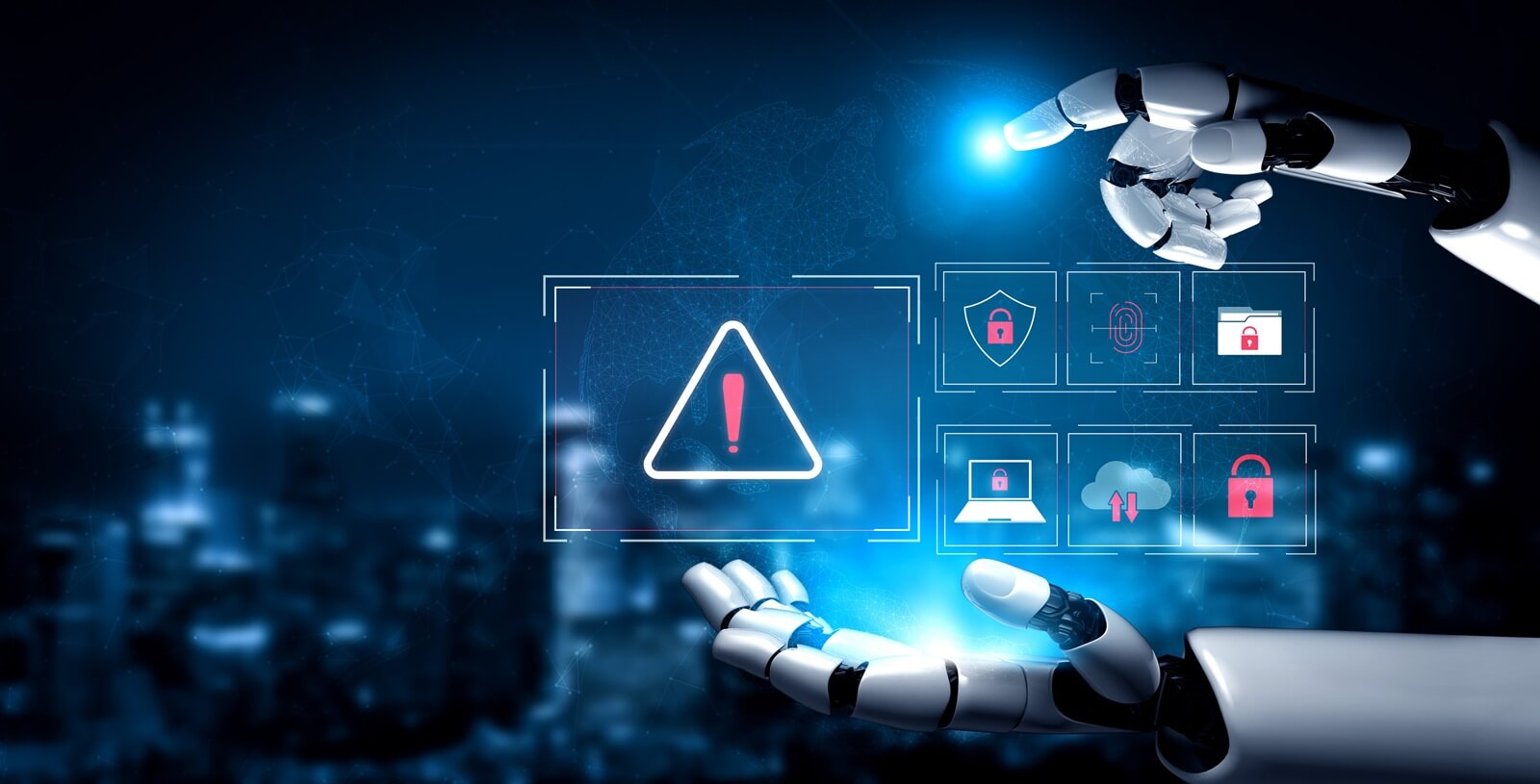
Cyber incidents rarely start with obvious breaches. They usually begin with subtle behavioral changes such as unusual login attempts, unexpected data transfers, or abnormal system activity that blends into everyday operations. Automated IT alerts enhance cybersecurity by identifying these anomalies early. Behavioral analytics detect deviations across endpoints, cloud workloads, and network connections, allowing security teams to intervene before attackers escalate operations.
Alert-driven workflows can automatically isolate compromised devices, disable suspicious accounts, or block malicious traffic, dramatically reducing dwell time and limiting damage. For SMBs without large security teams, automated alerts provide enterprise-grade threat visibility without enterprise-level complexity, strengthening both availability and data integrity.
Reducing IT Ticket Volume and Operational Disruption
One of the most immediate benefits of automated IT alerts is a sustained reduction in IT ticket volume. Issues are resolved before employees notice them, transforming support operations from reactive firefighting into preventative maintenance.
Instead of responding to slow computers, failed updates, or connectivity problems after productivity has already suffered, IT teams address these issues automatically in the background. Patch failures trigger alerts. Performance anomalies prompt early remediation. Configuration drift is corrected proactively.
This changes the rhythm of daily IT operations. Support teams spend less time closing repetitive tickets and more time improving infrastructure. Employees experience fewer interruptions. Managers avoid rescheduling work due to system outages. Over time, operational stability improves across departments, restoring confidence in technology and reducing stress on internal teams.
The Role of Stealth Technology Group
Stealth Technology Group delivers automated IT alerts as part of its managed IT framework, providing continuous visibility across on-premise systems, cloud platforms, and remote endpoints. Rather than simply generating notifications, Stealth focuses on actionable intelligence, predictive maintenance, and proactive remediation.
Infrastructure analytics, endpoint telemetry, and behavioral insights are unified into a single operational model that prioritizes prevention over reaction. Secure hosting environments, automated response workflows, and compliance-aligned governance further strengthen reliability while supporting business growth.
Stealth also integrates automated IT alerts with cybersecurity controls and strategic IT planning, ensuring alert data translates into meaningful business outcomes rather than technical noise. Capacity forecasting, performance optimization, and risk reduction are coordinated into a cohesive service model that evolves alongside client organizations. By embedding IT alerts into everyday operations, Stealth helps businesses replace uncertainty with control and build scalable digital foundations designed for long-term success.
Turning Automated Alerts Into a Long-Term Business Advantage
Organizations that treat alerts as technical notifications often miss their strategic value. When implemented correctly, automated alerts become a continuous improvement engine that strengthens operations over time. Performance trends guide infrastructure optimization. Capacity forecasts inform investment planning. Security visibility reduces exposure. Operational dashboards improve accountability. Together, these capabilities allow businesses to move beyond firefighting and toward sustainable growth.
Rather than reacting to failures, leadership gains confidence that systems are being actively monitored and optimized, enabling teams to focus on innovation, customer experience, and competitive differentiation. Automated alerts ultimately transform IT from a reactive expense into a strategic asset that supports long-term organizational resilience.
Conclusion
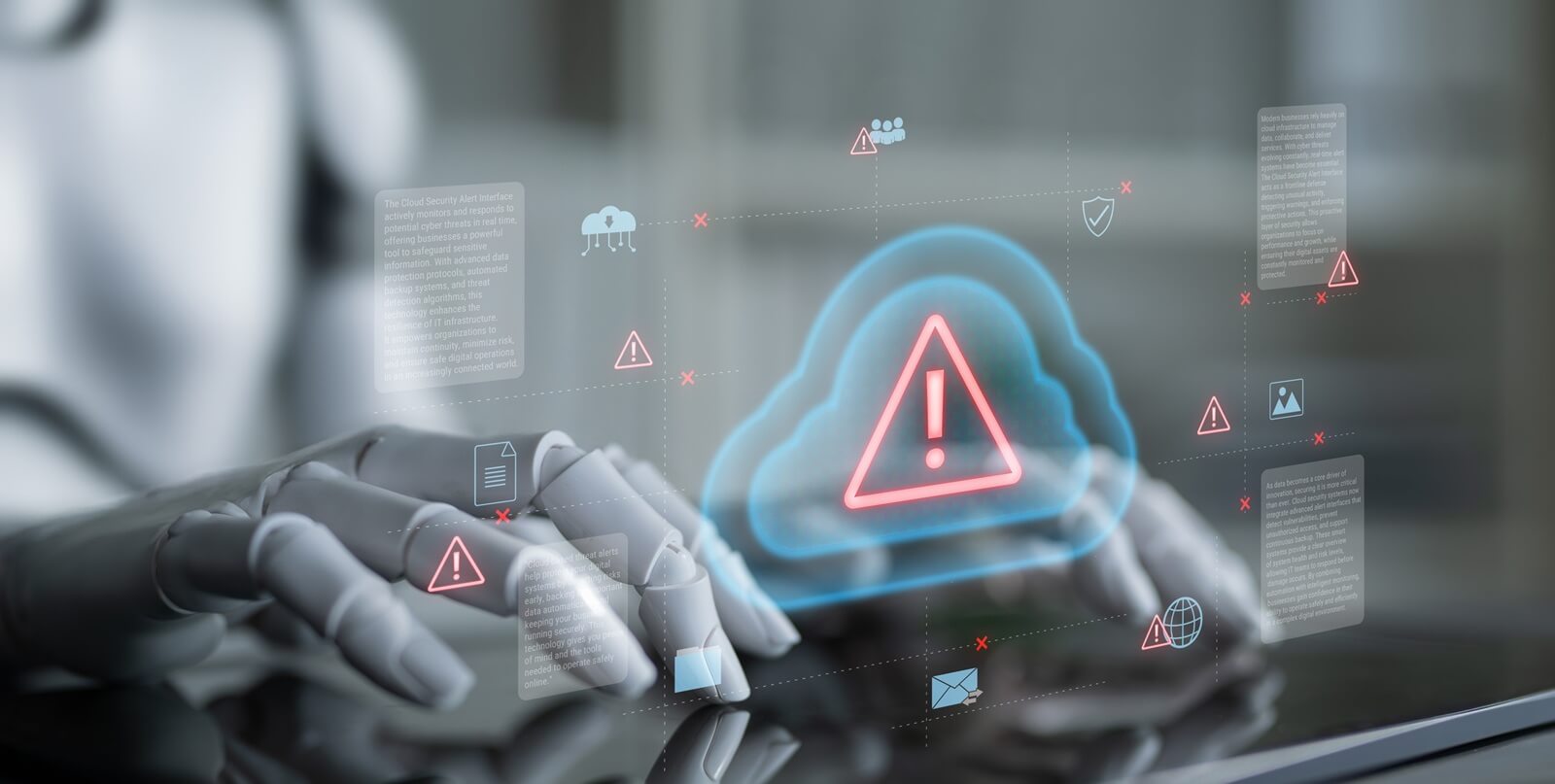
Automated IT alerts change how organizations experience technology by replacing reactive troubleshooting with proactive prevention. Instead of waiting for systems to fail, businesses gain continuous insight into performance trends, security anomalies, and capacity constraints.
For SMBs navigating growth, cybersecurity threats, and digital transformation, automated IT alerts provide the visibility and control needed to operate with confidence. Downtime becomes rare. Infrastructure becomes scalable. IT evolves from a liability into a growth enabler.
Stealth Technology Group helps organizations achieve this future through automated IT alerts and managed services designed for reliability, security, and long-term scalability. To prevent silent system failures and build a proactive IT foundation, contact us today or speak with a specialist at (617) 903-5559, because modern businesses deserve technology that anticipates problems instead of reacting to them.