Michael Bannach


As remote work and hybrid operational models continue reshaping modern business environments, organizations handling sensitive government-related information face increasingly complex cybersecurity challenges that extend far beyond traditional office infrastructure.
Businesses supporting Department of Defense projects, federal agencies, engineering operations, or defense supply chains are now expected to protect Controlled Unclassified Information across distributed environments where employees access systems from home offices, cloud platforms, mobile devices, collaborative workspaces, and geographically dispersed operational networks. While remote work has improved flexibility and operational scalability for many organizations, it has also dramatically expanded the cybersecurity attack surface associated with government-related information environments.
Controlled Unclassified Information, commonly referred to as CUI, includes sensitive information that requires safeguarding under federal regulations even though it is not formally classified. This information may include engineering drawings, procurement records, technical documentation, operational data, research materials, logistics information, project communications, or sensitive contractual details connected to government operations.
Because attackers increasingly target distributed infrastructure environments and remote users, organizations handling CUI must implement cybersecurity strategies capable of maintaining operational visibility, access governance, endpoint protection, and secure collaboration practices consistently across all remote and hybrid environments.
Protecting CUI within distributed operational models requires far more than basic remote access tools or traditional perimeter-based security approaches because employees now interact with sensitive information through cloud collaboration platforms, mobile devices, personal networks, and decentralized infrastructure systems operating outside conventional office boundaries. Businesses that fail to modernize cybersecurity governance appropriately risk exposing government-related information to phishing attacks, credential theft campaigns, ransomware incidents, unauthorized access attempts, insider threats, and operational compliance failures capable of affecting both contract eligibility and broader organizational resilience.
Understanding how to protect CUI effectively across remote teams and hybrid work environments is therefore essential for organizations seeking to maintain compliance readiness, operational stability, and long-term cybersecurity maturity within increasingly distributed digital ecosystems.

Why Remote and Hybrid Work Environments Create New Risks for CUI Protection
Traditional cybersecurity models were originally designed around centralized office environments where employees accessed systems primarily through corporate networks protected by firewalls, internal monitoring tools, and physically managed infrastructure environments. Remote and hybrid work models have fundamentally changed this operational structure because employees now access sensitive systems through residential internet connections, cloud applications, mobile devices, public collaboration platforms, and distributed communication tools operating far beyond traditional infrastructure boundaries.
These changes significantly increase cybersecurity complexity because organizations lose much of the centralized visibility and control previously associated with office-based environments. Employees working remotely may connect to sensitive systems through unsecured wireless networks, use unmanaged devices, share workspaces with unauthorized individuals, or transfer sensitive files across collaboration platforms without understanding how those activities affect CUI protection requirements.
Cybercriminals increasingly target distributed workforces specifically because remote environments create additional opportunities for phishing attacks, credential theft, endpoint compromise, and unauthorized data access. Attackers often exploit weak password management practices, poorly secured remote access systems, unpatched devices, or cloud collaboration misconfigurations to gain access to sensitive operational environments connected to government projects.
Organizations handling CUI must therefore recognize that remote and hybrid operational models require cybersecurity governance strategies designed specifically for distributed infrastructure environments rather than relying solely on outdated office-centric security architectures incapable of maintaining visibility across modern digital workflows.
Understanding What Qualifies as Controlled Unclassified Information
One of the most important aspects of protecting CUI involves understanding precisely what information falls within the scope of federal safeguarding requirements because many organizations unintentionally expose sensitive operational information simply by failing to identify properly which systems, communications, collaboration platforms, and workflows interact with protected data throughout distributed operational environments.
Controlled Unclassified Information includes sensitive government-related information that requires protection under federal regulations but does not meet the criteria for formal classification. Examples may include engineering specifications, technical diagrams, procurement records, project communications, logistics data, manufacturing processes, operational reports, sensitive contractual details, and research information associated with federal operations or Department of Defense programs.
Organizations handling CUI must maintain visibility into how this information flows across infrastructure systems, cloud environments, remote access platforms, collaboration tools, mobile devices, email systems, and employee workflows. Without clearly identifying where CUI exists operationally, businesses cannot implement appropriate access controls, monitoring capabilities, endpoint protections, or governance policies necessary for maintaining compliance readiness.
Remote and hybrid environments increase this complexity significantly because employees often interact with sensitive information across multiple devices, cloud platforms, messaging applications, and external communication systems simultaneously. Businesses that fail to map operational data flows accurately frequently leave portions of their environment insufficiently protected against cyber threats targeting distributed infrastructure systems.
Clearly understanding where CUI exists operationally forms the foundation for building effective remote cybersecurity governance strategies.
Securing Endpoint Devices Across Distributed Workforces
Endpoint devices such as laptops, desktops, tablets, and mobile phones have become some of the most critical cybersecurity assets within remote and hybrid work environments because employees rely on these systems to access government-related information, collaboration platforms, engineering applications, cloud environments, and operational infrastructure remotely. Unfortunately, endpoint devices also represent one of the most frequently targeted attack surfaces exploited by cybercriminals attempting to compromise sensitive operational environments.
Organizations handling CUI should implement centralized endpoint detection and response platforms capable of monitoring device behavior, identifying suspicious activity, detecting malware infections, and responding to cybersecurity incidents before threats spread across infrastructure environments. Endpoint security systems should maintain visibility into device health, patch status, application usage, and unusual behavioral patterns continuously rather than relying solely on periodic reviews or reactive troubleshooting practices.
Businesses should also enforce strict device management policies ensuring that employees access sensitive information only through approved and properly secured systems. Unmanaged personal devices often create serious compliance risks because organizations cannot maintain centralized visibility or enforce security configurations consistently across privately owned hardware environments.
Remote endpoint protection strategies should additionally include encrypted storage environments, automated patch management, centralized logging capabilities, and remote device isolation functionality capable of protecting CUI even when devices operate outside traditional corporate networks.
Organizations maintaining strong endpoint visibility and governance significantly reduce cybersecurity risks affecting distributed workforces and hybrid infrastructure systems.
Strengthening Access Controls and Identity Governance
Access management has become one of the most important components of protecting CUI within distributed operational environments because remote work models dramatically increase the number of access points, cloud applications, authentication workflows, and user environments interacting with sensitive government-related information daily. Weak identity management practices create serious operational risks because attackers frequently target user credentials through phishing campaigns, social engineering attacks, and password theft operations designed to bypass traditional perimeter defenses.
Organizations handling CUI should implement structured identity governance frameworks ensuring that employees receive access permissions based strictly on operational responsibilities and legitimate business requirements. Multi-factor authentication should also be enforced consistently across cloud platforms, collaboration environments, remote access systems, email services, and infrastructure management tools because password-only authentication models remain highly vulnerable to modern credential compromise techniques.
Access governance strategies should additionally include regular account reviews, privileged access monitoring, session management controls, and automated deprovisioning processes designed to remove unnecessary access permissions quickly when employees change roles or leave the organization. Businesses should also maintain detailed access logging and monitoring visibility capable of identifying suspicious login activity, unauthorized access attempts, or unusual behavioral patterns affecting sensitive information environments.
Organizations that strengthen identity governance proactively improve both cybersecurity resilience and compliance readiness across distributed operational ecosystems.
Protecting Cloud Collaboration Platforms and Remote File Sharing
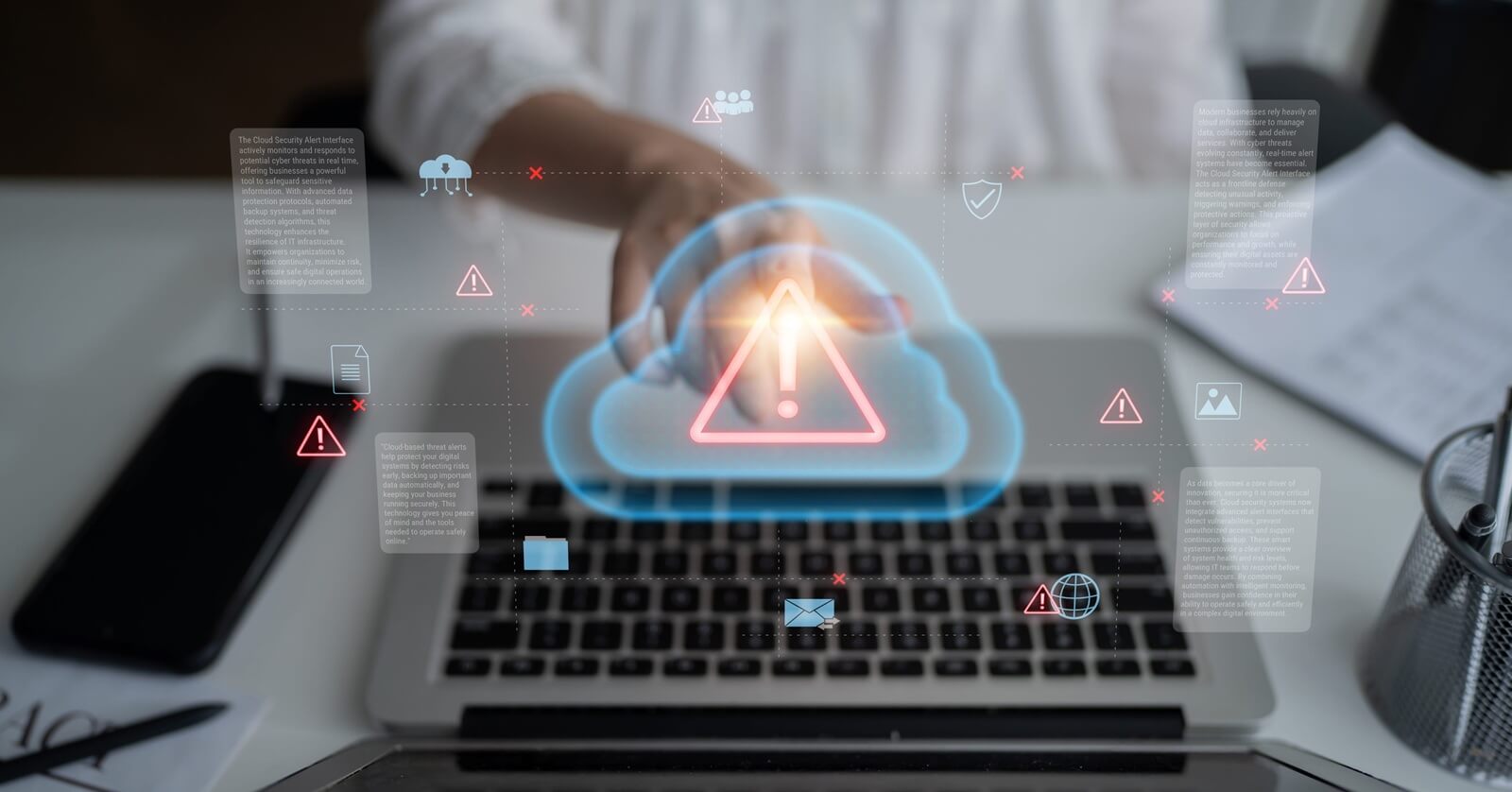
Cloud collaboration platforms have become essential operational tools within remote and hybrid environments because employees rely heavily on shared document repositories, messaging systems, video conferencing platforms, project management environments, and cloud storage applications to maintain productivity across distributed teams. However, these platforms also introduce significant cybersecurity risks when organizations fail to configure access controls, file-sharing permissions, and monitoring capabilities appropriately.
Many businesses unintentionally expose CUI through overly permissive sharing settings, public file links, weak user governance policies, or unsecured synchronization practices affecting cloud-based operational workflows. Attackers increasingly target collaboration environments because these platforms frequently contain valuable operational information and provide pathways into broader infrastructure systems connected to government projects.
Organizations handling CUI should implement strict cloud security governance policies controlling how files are shared, accessed, downloaded, synchronized, and transmitted throughout remote operational environments. Businesses should also maintain centralized visibility into collaboration activity, user behavior, and external sharing practices capable of identifying potential compliance risks proactively.
Data loss prevention systems, encryption capabilities, access restrictions, and continuous monitoring environments further strengthen cloud collaboration security by reducing the likelihood of unauthorized information exposure across distributed teams.
Protecting cloud collaboration platforms effectively is essential for maintaining operational security within modern remote work ecosystems handling sensitive government-related information.
Maintaining Continuous Monitoring and Infrastructure Visibility
One of the most important cybersecurity requirements within remote and hybrid operational environments involves maintaining continuous visibility into infrastructure behavior, endpoint activity, cloud environments, access patterns, and cybersecurity events across distributed systems interacting with CUI. Organizations lacking centralized monitoring capabilities frequently struggle to identify suspicious activity, unauthorized access attempts, infrastructure anomalies, or operational vulnerabilities before those issues escalate into significant cybersecurity incidents.
Continuous monitoring platforms help organizations analyze operational behavior in real time by collecting telemetry data from endpoint devices, cloud applications, collaboration systems, remote access environments, and network infrastructure components simultaneously. These systems improve operational resilience because security teams can investigate anomalies, review suspicious activity, and respond to threats proactively rather than waiting for major disruptions or compliance failures to occur.
Businesses handling CUI should implement monitoring environments capable of maintaining visibility across all operational systems interacting with sensitive information regardless of employee location or infrastructure distribution. Monitoring capabilities should include centralized logging, threat detection analytics, endpoint telemetry collection, access behavior analysis, and automated alerting systems supporting rapid incident response readiness.
Organizations that maintain strong operational visibility significantly improve their ability to protect distributed infrastructure environments against evolving cyber threats targeting remote work ecosystems.
Building Employee Cybersecurity Awareness for Remote Teams
Even organizations with advanced technical security controls remain vulnerable if employees do not understand how to identify phishing attacks, protect sensitive information, recognize suspicious behavior, manage passwords securely, and follow remote security procedures consistently throughout daily operations. Human error continues representing one of the leading causes of cybersecurity incidents affecting distributed operational environments because attackers frequently exploit employee behavior rather than targeting infrastructure systems directly.
Organizations handling CUI should implement recurring cybersecurity awareness programs specifically tailored to remote and hybrid operational environments. Employees should understand secure remote access procedures, phishing detection techniques, collaboration platform security practices, device protection responsibilities, incident reporting expectations, and operational safeguards associated with handling sensitive government-related information remotely.
Remote cybersecurity awareness initiatives should also address home network security, personal device risks, unauthorized file sharing practices, secure communication standards, and the operational consequences associated with mishandling CUI across distributed environments.
Businesses that build strong cybersecurity awareness cultures across remote teams significantly reduce operational risk while improving long-term compliance readiness and infrastructure resilience.
The Role of Managed IT Providers in Protecting CUI Across Hybrid Environments
Many organizations handling CUI lack the internal technical resources necessary to maintain continuous cybersecurity monitoring, endpoint governance, infrastructure visibility, cloud security management, and compliance-focused operational oversight consistently across distributed work environments. Managed IT providers therefore frequently play critical roles in helping businesses strengthen cybersecurity maturity while maintaining operational efficiency across hybrid infrastructure ecosystems.
Managed service providers help organizations implement endpoint detection platforms, centralized monitoring environments, identity governance frameworks, cloud security controls, secure backup systems, vulnerability management processes, and incident response readiness capabilities designed specifically for remote operational environments handling sensitive government-related information.
These providers also maintain continuous operational oversight supporting long-term compliance readiness without requiring organizations to build enterprise-scale internal cybersecurity departments. Businesses leveraging managed security expertise often improve both operational resilience and cybersecurity maturity significantly while reducing the complexity associated with protecting distributed infrastructure environments internally.
Conclusion: Building Secure Remote and Hybrid Environments for CUI Protection
Remote and hybrid work environments have transformed modern operational workflows, but they have also created significant cybersecurity challenges for organizations responsible for protecting Controlled Unclassified Information across distributed infrastructure systems, cloud collaboration platforms, endpoint devices, and remote access environments. Businesses handling government-related information can no longer rely on outdated perimeter-based security models because modern cyber threats increasingly target remote users, cloud workflows, collaboration systems, and distributed operational ecosystems.
Organizations that strengthen endpoint protection, improve identity governance, secure collaboration platforms, maintain continuous monitoring visibility, and build strong cybersecurity awareness cultures are significantly better positioned to protect CUI effectively while maintaining compliance readiness across modern distributed work environments.
Stealth Technology Group helps architecture, engineering, and construction organizations strengthen compliance-focused cybersecurity environments through advanced endpoint protection, infrastructure monitoring, predictive intelligence, and managed IT frameworks designed to support evolving government security requirements across remote and hybrid operational models. By integrating proactive cybersecurity operations with scalable infrastructure strategies, the firm enables businesses to improve operational resilience while protecting sensitive information environments effectively.
If your organization is seeking guidance on protecting Controlled Unclassified Information across remote teams or hybrid work environments, contact Stealth Technology Group today at (617) 903-5559 or visit the website to learn how modern cybersecurity infrastructure can support your compliance and operational security goals.