StealthTech


Manufacturing has entered a defining decade. What was once a sector driven primarily by machinery, labor efficiency, and physical supply chains is now shaped just as strongly by software, data, connectivity, and cybersecurity. Modern manufacturing environments depend on tightly integrated systems that connect production floors, design platforms, enterprise resource planning systems, suppliers, logistics partners, and customers in real time. This digital interdependence has elevated technology from a support function to a core operational asset. As a result, the way manufacturers manage IT has become inseparable from how they manage risk, productivity, and growth.
In this environment, managed IT services are no longer a convenience reserved for office networks or administrative systems. They have become essential infrastructure for manufacturers seeking reliability, security, scalability, and long-term competitiveness. Internal IT teams alone often cannot keep pace with the complexity, uptime requirements, and security risks associated with modern manufacturing operations. Managed IT services fill this gap by providing continuous oversight, specialized expertise, and proactive technology management aligned with operational goals.
Stealth Technology Group works with manufacturing organizations to modernize and stabilize their IT environments through secure infrastructure, proactive monitoring, cloud integration, and operational resilience. In a sector where downtime translates directly into lost revenue, missed deadlines, and damaged customer trust, managed IT services are increasingly viewed not as overhead, but as a strategic investment.
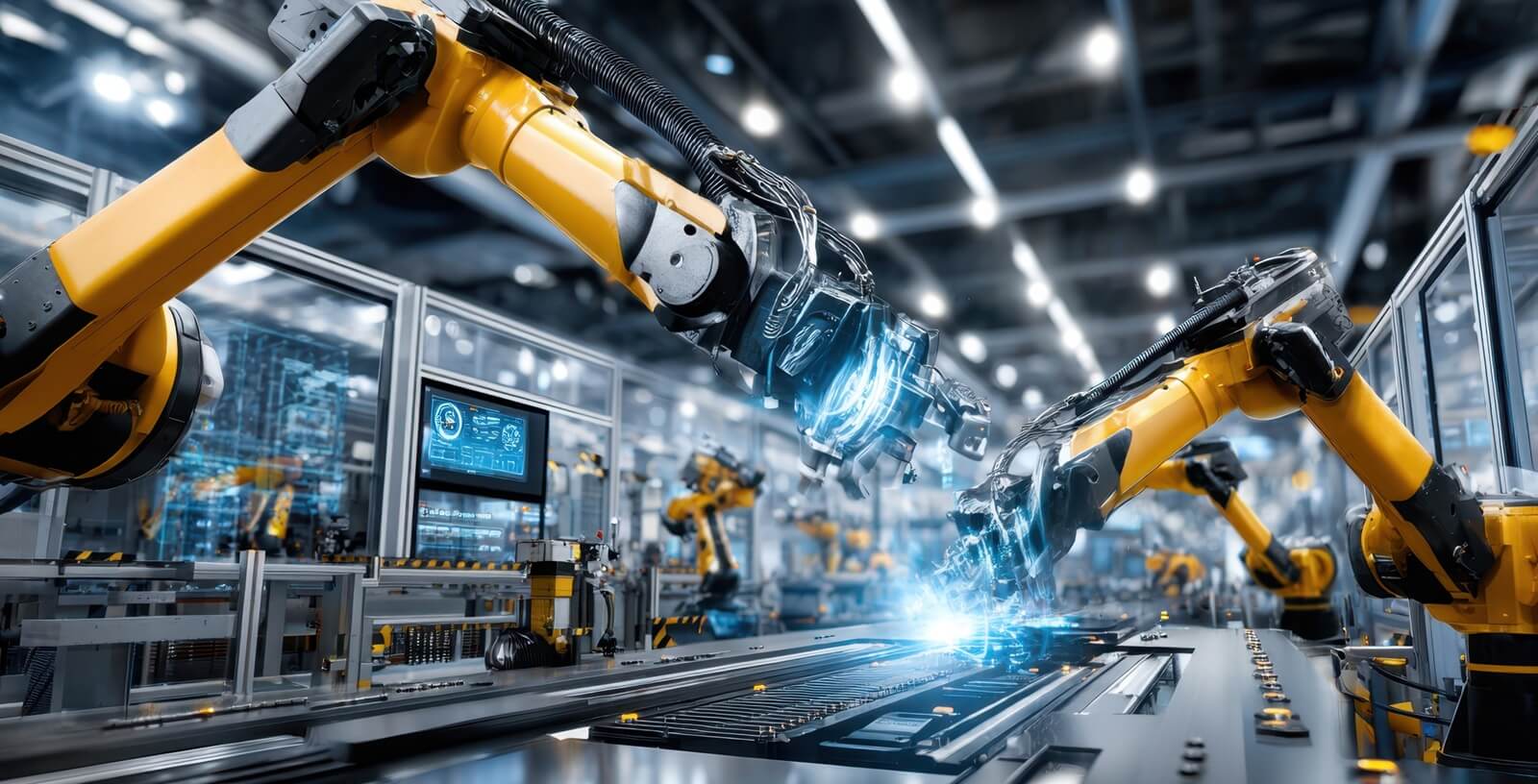
The Digital Transformation of Manufacturing Operations
Manufacturing today operates at the intersection of physical production and digital intelligence. Production equipment is connected through industrial networks. Sensors collect performance data continuously. Software platforms coordinate scheduling, inventory, quality control, and maintenance. Engineering teams collaborate across geographies using advanced design tools. Customers expect real-time visibility into order status and delivery timelines. None of this is possible without reliable, secure, and well-managed IT systems.
This transformation has expanded the scope of IT far beyond traditional office networks. Manufacturing IT now includes operational technology environments, industrial control systems, cloud platforms, analytics engines, and vendor integrations. Each layer introduces complexity and risk. When these systems are not managed cohesively, manufacturers experience instability, inefficiency, and security exposure that undermine operational performance.
Managed IT services provide the structure needed to support this complexity. They create a unified management layer that ensures systems operate together reliably, updates occur without disruption, and issues are resolved before they escalate into production incidents. Without this oversight, manufacturers are forced into reactive modes that compromise both efficiency and safety.
Downtime in Manufacturing Is No Longer Tolerable
In few industries is downtime as costly as in manufacturing. A system outage does not merely inconvenience employees; it can halt production lines, disrupt supply chains, and delay customer deliveries. Even brief interruptions can cascade into missed service-level agreements, overtime costs, and reputational damage that persists long after systems are restored.
Modern manufacturing environments operate on tight margins and precise schedules. Production planning systems, machine controllers, quality assurance platforms, and logistics software must remain available continuously. Managed IT services are designed to support this requirement by monitoring system health in real time, identifying anomalies early, and resolving issues before they impact operations.
Reactive IT models that wait for users to report problems are insufficient in this context. By the time a production supervisor notices a system issue, the damage may already be done. Proactive managed IT services reduce this risk by maintaining constant visibility into infrastructure performance and addressing potential failures before they interrupt production.
Cybersecurity Risks Targeting Manufacturers
Manufacturing has become one of the most targeted industries for cyberattacks. Ransomware groups, nation-state actors, and industrial espionage operations increasingly focus on manufacturers because of their reliance on continuous operations and their integration with global supply chains. A successful attack can shut down facilities, expose proprietary designs, or disrupt critical infrastructure.
Manufacturers often face unique cybersecurity challenges. Production environments may rely on legacy systems that were not designed with modern security controls. Operational technology networks are frequently connected to corporate IT environments, creating pathways for attackers to move laterally. Remote access for vendors and engineers introduces additional exposure if not carefully managed.
Managed IT services play a critical role in mitigating these risks. They provide centralized security monitoring, identity and access management, patching discipline, and incident response capabilities that most internal teams struggle to maintain alone. By embedding cybersecurity into daily IT operations, managed services reduce the likelihood that a single vulnerability will escalate into a full-scale production shutdown.
Stealth Technology Group integrates cybersecurity monitoring and response directly into managed IT environments for manufacturers, ensuring that threats are detected early and contained before they affect production systems.
The Growing Complexity of Manufacturing IT Environments
Manufacturing IT environments are no longer static. They evolve continuously as new equipment is added, software platforms are upgraded, and business models change. Mergers, acquisitions, and global expansion introduce additional layers of complexity that must be managed carefully to avoid fragmentation.
Internal IT teams are often stretched thin trying to support this growth while maintaining existing systems. Knowledge becomes siloed, documentation falls behind, and risk accumulates quietly until a failure occurs. Managed IT services address this challenge by providing consistent processes, standardized configurations, and centralized oversight across locations and systems.
This consistency improves reliability and simplifies troubleshooting. When systems are built and managed according to defined standards, issues are easier to diagnose and resolve. Managed IT services also ensure that as environments grow, governance and security controls scale alongside them rather than lagging behind.
Supporting Operational Technology and IT Convergence
One of the most significant shifts in manufacturing is the convergence of operational technology and information technology. Production equipment, sensors, and control systems are increasingly connected to enterprise networks and cloud platforms to enable analytics, predictive maintenance, and remote management.
This convergence creates enormous value but also introduces new risks. Operational technology environments were traditionally isolated for safety and reliability reasons. Connecting them to broader networks requires careful design to prevent disruptions and security breaches.
Managed IT services help manufacturers navigate this convergence by designing architectures that balance connectivity with protection. Network segmentation, controlled access, and continuous monitoring ensure that operational systems can benefit from digital integration without exposing production environments to unnecessary risk.

The Role of Managed IT in Predictive Maintenance and Analytics
Modern manufacturing increasingly relies on data-driven insights to improve efficiency and reduce downtime. Predictive maintenance programs analyze equipment performance data to anticipate failures before they occur. Advanced analytics platforms optimize production schedules, energy usage, and quality control processes.
These capabilities depend on reliable data pipelines, secure connectivity, and scalable infrastructure. Managed IT services ensure that the underlying systems supporting analytics operate consistently and securely. They manage data flows, storage, access controls, and performance optimization so that insights are available when needed.
Without this foundation, analytics initiatives often fail to deliver expected value because systems cannot support the required workloads or because data integrity is compromised. Managed IT services provide the stability and scalability necessary to turn manufacturing data into actionable intelligence.
Addressing the Manufacturing Skills Gap
Manufacturers face a persistent skills gap, not only on the production floor but also in IT and cybersecurity roles. Recruiting and retaining specialized IT talent is challenging, particularly in regions where manufacturing facilities are located outside major technology hubs.
Managed IT services help bridge this gap by providing access to skilled professionals without requiring manufacturers to build large internal teams. This approach allows organizations to focus internal resources on core manufacturing competencies while relying on external expertise for infrastructure management, security, and optimization.
Stealth Technology Group supports manufacturing clients with dedicated teams that understand both industrial environments and modern IT requirements, reducing dependency on hard-to-fill internal roles.
Scalability and Flexibility for Growth
Manufacturing organizations must be able to scale operations quickly in response to market demand, new product lines, or geographic expansion. IT systems that are rigid or under-managed become bottlenecks during growth, slowing time-to-market and increasing operational risk.
Managed IT services provide the flexibility needed to scale infrastructure, storage, and applications without disrupting existing operations. Cloud integration, capacity planning, and standardized deployment processes allow manufacturers to expand confidently while maintaining stability. This scalability also supports seasonal fluctuations, pilot programs, and innovation initiatives by enabling resources to be adjusted dynamically rather than through lengthy procurement cycles.
Compliance and Regulatory Pressures
Manufacturers operate within complex regulatory environments that govern data protection, safety, quality, and operational reporting. Compliance requirements continue to evolve, particularly as digital systems play a greater role in production and supply chain management.
Managed IT services help manufacturers maintain compliance by enforcing consistent controls, maintaining audit trails, and monitoring systems continuously. This reduces the administrative burden on internal teams and lowers the risk of non-compliance due to oversight or system misconfiguration. By embedding compliance into daily IT operations, managed services transform regulatory requirements from reactive obligations into routine operational practices.
Business Continuity and Disaster Recovery in Manufacturing
Disaster recovery and business continuity are critical concerns for manufacturers, where disruptions can have immediate and far-reaching consequences. Natural disasters, cyber incidents, and system failures all threaten production continuity.
Managed IT services ensure that disaster recovery strategies are tested, updated, and aligned with operational priorities. Backup systems, failover environments, and recovery procedures are maintained proactively so that when incidents occur, recovery is swift and controlled.
Stealth Technology Group helps manufacturers design continuity strategies that protect both digital systems and production operations, ensuring resilience in an increasingly unpredictable risk landscape.
Managed IT as a Strategic Manufacturing Partner
The role of managed IT services in manufacturing extends beyond technical maintenance. When aligned properly, managed services become strategic partners that contribute to operational efficiency, risk reduction, and innovation.
By providing continuous insight into system performance, security posture, and capacity trends, managed IT services inform leadership decisions about investment, modernization, and growth. This visibility enables manufacturers to plan proactively rather than reactively. Organizations that view managed IT as a strategic capability rather than a cost center are better positioned to compete in a manufacturing landscape defined by speed, precision, and resilience.
Summary
Modern manufacturing depends on reliable, secure, and scalable technology environments that support continuous operations and digital innovation. As production systems, analytics platforms, and supply chains become more interconnected, the complexity of managing IT internally has grown beyond what many organizations can sustain alone.
Managed IT services have become essential for manufacturers seeking to minimize downtime, strengthen cybersecurity, support growth, and maintain compliance. By providing proactive monitoring, specialized expertise, and integrated security, managed services transform IT from a vulnerability into a competitive advantage.
Stealth Technology Group partners with manufacturing organizations to deliver managed IT services designed for industrial environments, operational resilience, and long-term scalability. Through secure infrastructure, continuous monitoring, and strategic alignment, Stealth helps manufacturers operate with confidence in an increasingly digital world.
If your manufacturing organization is ready to modernize its IT approach and reduce operational risk, now is the time to evaluate how managed IT services can support your future. Call (617) 903-5559 or contact us to explore a managed IT strategy built for modern manufacturing.