StealthTech


Modern organizations rely heavily on digital systems to manage operations, communication, financial transactions, and customer data. As businesses expand their use of cloud platforms, remote access tools, and interconnected applications, protecting access to these systems has become one of the most important responsibilities within cybersecurity. Traditional password based authentication is no longer sufficient because attackers have developed sophisticated methods to steal or guess credentials through phishing attacks, credential stuffing, and brute force attempts.
To address these vulnerabilities, organizations increasingly implement stronger authentication frameworks such as multi factor authentication and two factor authentication. Both approaches improve security by requiring additional verification steps beyond a simple password. These additional layers significantly reduce the likelihood that unauthorized individuals can gain access to protected systems.
However, while many people use the terms interchangeably, there are important differences between these two authentication models. Understanding the distinction between MFA vs 2FA helps organizations choose the right security approach for protecting sensitive data while maintaining efficient access for employees and users.
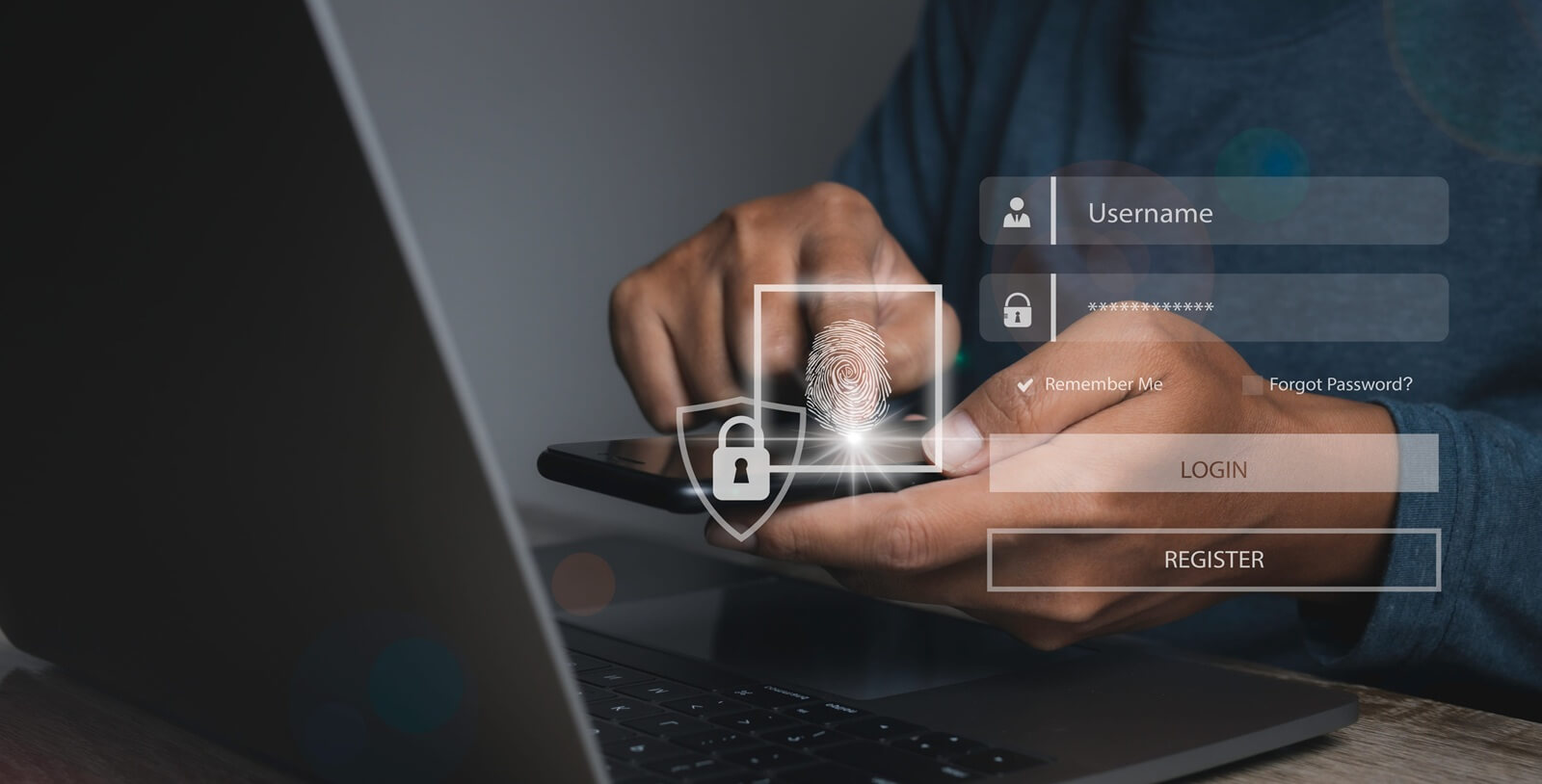
Understanding How Authentication Protects Digital Systems
Authentication represents the process through which a system verifies that a user attempting to access a service or application is actually who they claim to be. In traditional systems this verification relied almost entirely on passwords. A user entered a username and password combination, and the system granted access if the credentials matched stored records.
While this approach was once considered adequate, modern cybersecurity threats have exposed the weaknesses of password only authentication. Passwords can be stolen through phishing emails, leaked during data breaches, or guessed through automated attacks that attempt thousands of possible combinations.
Because of these vulnerabilities, cybersecurity experts developed layered authentication methods that require multiple forms of verification before granting access. These systems rely on several categories of identity validation that confirm a user’s legitimacy. One category involves something the user knows, such as a password or personal identification number. Another category involves something the user possesses, such as a smartphone or hardware token. A third category involves something inherent to the user, such as biometric identifiers like fingerprints or facial recognition.
When authentication systems require multiple categories of identity verification, the probability that attackers can successfully compromise an account becomes dramatically lower.
What Two Factor Authentication Means in Practice
Two factor authentication represents a specific security method that requires exactly two forms of identity verification before granting access to an account or system. In most implementations the first factor is a password, while the second factor involves a temporary verification code generated by a separate device or application.
For example, when a user attempts to log into a system protected by two factor authentication, they first enter their password as usual. After submitting the password, the system prompts them to confirm their identity through a second step. This second verification may involve entering a one time code sent to their mobile phone, approving a notification from an authenticator application, or using a hardware token that generates temporary codes.
The purpose of this second verification step is to ensure that even if an attacker obtains a user’s password, they cannot access the account without also possessing the second authentication factor. Because attackers rarely have physical access to a user’s phone or security token, two factor authentication significantly reduces the risk of unauthorized access.
Two factor authentication has become widely adopted across consumer platforms, financial institutions, and corporate systems because it offers a practical balance between strong security and ease of use.
What Multi Factor Authentication Involves
Multi factor authentication expands the concept of layered security by allowing systems to require two or more verification factors during the login process. While two factor authentication always requires exactly two forms of identity verification, multi factor authentication supports a broader range of authentication combinations that can include additional verification steps depending on security requirements.
For example, a multi factor authentication process might require a password, a fingerprint scan, and a temporary code generated by an authentication application. Alternatively, the system might request different combinations of factors depending on the risk level of the login attempt.
This flexibility allows organizations to implement authentication policies that adapt to different operational scenarios. Sensitive systems such as administrative accounts or financial platforms may require additional authentication layers, while lower risk applications may require fewer steps to maintain usability.
Because multi factor authentication can incorporate multiple independent identity checks, it provides stronger security than password only authentication and offers greater flexibility than basic two factor authentication implementations.
Comparing MFA vs 2FA in Security Strategy
When organizations evaluate MFA vs 2FA, the key distinction lies in the number and flexibility of authentication factors involved. Two factor authentication represents a specific type of authentication that always requires two identity verification elements. Multi factor authentication represents a broader framework that allows organizations to implement two or more factors based on security policies and risk assessments.
In practical terms, two factor authentication can be viewed as a subset of multi factor authentication. All two factor authentication systems fall under the category of multi factor authentication because they involve multiple verification factors. However, not all multi factor authentication systems are limited to two factors.
The ability to incorporate additional authentication layers allows organizations to tailor security policies according to the sensitivity of their systems and data. For example, administrative users managing critical infrastructure may be required to complete several authentication steps before accessing privileged accounts. By understanding these differences, organizations can design authentication strategies that balance security protection with operational efficiency.
The Security Advantages of Multi Factor Authentication
Although both authentication models provide improved protection compared to password only systems, multi factor authentication offers several advantages when protecting high value systems and sensitive data environments.
One of the most important benefits is the ability to add multiple independent verification layers that make unauthorized access extremely difficult. Even if an attacker compromises one authentication factor, additional verification steps can prevent further access.
Multi factor authentication also supports adaptive security models that evaluate contextual factors such as user location, device type, and login behavior. If a login attempt originates from an unfamiliar location or device, the system can automatically require additional authentication steps before granting access.
This dynamic approach allows organizations to maintain strong security controls while minimizing friction for legitimate users accessing systems under normal circumstances. As cyber threats continue to evolve, the additional flexibility and resilience provided by multi factor authentication make it a valuable component of modern identity security frameworks.
Why Modern Businesses Are Moving Toward MFA
As businesses expand their digital infrastructure and adopt cloud based platforms, the importance of strong authentication continues to grow. Credential theft remains one of the most common entry points for cyberattacks, making identity protection a critical component of cybersecurity strategy. Attackers frequently exploit weak or reused passwords to gain access to corporate systems, often moving laterally across networks once a single account is compromised.
Multi factor authentication provides organizations with the flexibility needed to protect complex technology environments that include remote employees, cloud applications, and distributed networks. Because modern businesses operate across multiple platforms and devices, relying on passwords alone creates unacceptable risk. MFA introduces additional verification layers that make unauthorized access significantly more difficult even if credentials are stolen.
Many regulatory frameworks and cybersecurity standards now require organizations to implement multi factor authentication when protecting sensitive information or critical infrastructure. Industries such as healthcare, finance, and government often mandate these authentication controls as part of compliance requirements designed to protect sensitive personal or financial data. Regulatory standards frequently emphasize identity verification as a fundamental security control.
Organizations that implement strong authentication frameworks significantly reduce the risk of data breaches caused by stolen or compromised credentials. Over time, MFA adoption strengthens overall cybersecurity posture by preventing many common attack methods before they succeed.
The Importance of Usability in Authentication Systems
While strengthening authentication is essential for protecting digital systems, organizations must also consider how authentication processes affect user experience. If authentication procedures become overly complicated, employees may become frustrated or attempt to bypass security measures. When users perceive security controls as barriers rather than safeguards, they may resort to risky behavior such as writing down passwords, reusing credentials, or attempting to circumvent security policies altogether.
Effective authentication strategies balance strong protection with usability by implementing intelligent authentication policies. Modern identity platforms often use risk based authentication models that adjust verification requirements depending on the context of each login attempt. These systems evaluate signals such as user location, device fingerprint, login time patterns, and network environment to determine whether additional verification steps are necessary.
For example, when employees access systems from trusted devices within corporate networks, fewer authentication steps may be required. However, when access attempts originate from unfamiliar devices or locations, additional verification may be triggered automatically. Adaptive authentication systems may also prompt additional verification when unusual behavior patterns are detected, such as login attempts at unexpected hours or from geographic regions that differ from normal activity.
This approach ensures that organizations maintain strong security without unnecessarily disrupting legitimate workflows. Employees experience smoother access to systems they use regularly, while security teams retain the ability to enforce stronger verification when risk levels increase.
Why Modern Businesses Are Moving Toward MFA
As businesses expand their digital infrastructure and adopt cloud based platforms, the importance of strong authentication continues to grow. Credential theft remains one of the most common entry points for cyberattacks, making identity protection a critical component of cybersecurity strategy. Multi factor authentication provides organizations with the flexibility needed to protect complex technology environments that include remote employees, cloud applications, and distributed networks.
Many regulatory frameworks and cybersecurity standards now require organizations to implement multi factor authentication when protecting sensitive information or critical infrastructure. Industries such as healthcare, finance, and government often mandate these authentication controls as part of compliance requirements. Organizations that implement strong authentication frameworks significantly reduce the risk of data breaches caused by stolen or compromised credentials.
The Role of Stealth Technology Group in Authentication Security
Stealth Technology Group helps organizations implement secure identity management systems that strengthen authentication across cloud environments, enterprise applications, and remote workforce infrastructure. By integrating advanced identity platforms with modern authentication frameworks, Stealth enables businesses to protect critical systems while maintaining seamless access for authorized users.
Stealth designs authentication strategies that incorporate multi factor authentication, adaptive security policies, and continuous monitoring to detect unusual login behavior. These systems ensure that identity verification remains strong even as organizations expand their digital operations. By aligning authentication security with broader infrastructure management and cybersecurity strategies, Stealth Technology Group helps organizations build resilient technology environments that support both security and productivity.
Conclusion
Strong authentication has become a foundational element of modern cybersecurity strategy. Password based security alone can no longer protect digital systems from the growing number of credential theft attacks and identity based threats.
Understanding MFA vs 2FA helps organizations implement authentication models that align with their operational needs and security priorities. Two factor authentication provides a significant improvement over password only systems, while multi factor authentication offers additional flexibility and stronger protection for complex enterprise environments.
Organizations that adopt layered authentication frameworks can reduce the risk of unauthorized access, protect sensitive information, and maintain trust with customers and partners. Stealth Technology Group helps businesses implement secure authentication systems that strengthen identity protection across digital environments. To enhance your organization’s access security and reduce credential based risks, contact us today or speak with a specialist at (617) 903-5559, because modern businesses require authentication systems designed to defend against today’s evolving cyber threats.