StealthTech


Modern organizations operate in an increasingly connected digital landscape where employees rely on a wide variety of devices to access business systems and data. Laptops, desktops, mobile phones, tablets, and even specialized equipment now connect to corporate networks and cloud platforms every day. While these devices help employees work efficiently and collaborate effectively, they also introduce potential security risks that businesses must carefully manage.
Each connected device represents an entry point that cybercriminals may attempt to exploit. Malware, ransomware, phishing attacks, and unauthorized access attempts often begin at the endpoint level, targeting individual devices used by employees. When endpoints are not properly secured, attackers may gain access to sensitive data or critical systems that can disrupt business operations.
Managed endpoint protection has become a critical cybersecurity strategy for organizations seeking to safeguard their technology environments. Instead of relying solely on traditional antivirus software installed on individual devices, businesses now implement centralized security platforms that monitor, protect, and manage all endpoints across the organization.
Through professional management, continuous monitoring, and advanced security technologies, managed endpoint protection allows businesses to maintain strong defenses against evolving cyber threats while ensuring that employees can use their devices safely and efficiently.

Understanding the Role of Endpoint Security in Modern IT Environments
Endpoint security refers to the practice of protecting individual devices that connect to an organization’s network or cloud systems. These devices, known as endpoints, include laptops, desktop computers, smartphones, tablets, servers, and other connected hardware used by employees to perform their work.
In traditional office environments, security efforts often focused primarily on protecting central networks and servers. However, the rapid expansion of mobile workforces and cloud-based services has shifted much of the security responsibility toward endpoint devices.
Employees now access business systems from various locations including offices, homes, airports, and public networks. Each device that connects to company infrastructure becomes a potential vulnerability if it is not properly secured. This is where managed endpoint protection plays an essential role. Rather than relying on individual employees to manage device security, organizations implement centralized protection systems that monitor and manage endpoints across the entire network.
These systems provide multiple layers of protection including antivirus tools, behavioral threat detection, device monitoring, and access control policies. By managing these security tools centrally, IT teams can maintain consistent protection across all devices.
Another key advantage of centralized endpoint security is visibility. Security teams can monitor device activity, detect unusual behavior, and respond to potential threats before they escalate into serious incidents. Endpoint protection also helps ensure compliance with data security regulations. Many industries require organizations to implement strict security controls to protect sensitive information stored or accessed through employee devices.
Through proactive monitoring and management, managed endpoint protection ensures that all connected devices operate within a secure digital environment.
Why Endpoint Protection Has Become Essential for Businesses
Cybersecurity threats have grown significantly in both frequency and sophistication over the past decade. Cybercriminals increasingly target endpoint devices because they often represent the easiest entry point into corporate systems. Employees frequently receive phishing emails, download files from external sources, or connect to unsecured networks while traveling. These everyday activities create opportunities for malicious software to infect devices and spread throughout organizational systems.
When endpoints lack adequate protection, a single compromised device can allow attackers to access sensitive data, deploy ransomware, or disrupt business operations. This is one of the primary reasons businesses are investing in managed endpoint protection solutions. Managed protection provides continuous monitoring and advanced security capabilities that identify and block threats before they cause damage.
Another factor driving adoption is the growth of remote and hybrid work environments. Employees working outside traditional office networks may connect through home internet connections or public Wi-Fi networks that lack enterprise-level security controls. Managed endpoint protection helps mitigate these risks by ensuring that devices remain protected regardless of where employees work. Organizations also benefit from faster threat response times. Managed security teams monitor endpoint activity continuously and can respond to potential incidents quickly.
Compliance requirements also make endpoint protection essential. Industries such as healthcare, finance, and legal services must safeguard sensitive client data and demonstrate strong cybersecurity practices. By implementing comprehensive endpoint protection strategies, businesses reduce the risk of cyber incidents while maintaining secure access to critical systems.
Core Components of Managed Endpoint Protection
Managed endpoint protection platforms include several integrated security technologies that work together to defend against cyber threats. One of the most fundamental components is antivirus and anti-malware protection. These tools detect and remove malicious software that attempts to infect endpoint devices.
Modern security systems go beyond traditional antivirus by incorporating behavioral analysis technologies. Instead of relying only on known virus signatures, these systems monitor device activity and detect suspicious behavior that may indicate new or unknown threats. Another important element of managed endpoint protection involves endpoint detection and response capabilities. These tools collect detailed data about device activity and analyze it for signs of potential attacks.
If suspicious activity occurs, security teams can isolate the affected device and investigate the incident before it spreads across the network. Device management capabilities also allow administrators to control security policies across all endpoints. This includes enforcing password requirements, managing software updates, and restricting access to unauthorized applications.
Data encryption technologies help protect sensitive information stored on endpoint devices. Even if a device is lost or stolen, encrypted data remains inaccessible to unauthorized users. Patch management systems ensure that operating systems and software applications receive regular security updates. By combining these technologies within a centralized platform, managed endpoint protection provides comprehensive security coverage across all connected devices.

Protecting Remote and Mobile Devices
The rapid expansion of remote work has significantly increased the number of devices connecting to corporate networks from external locations. Employees often use laptops and mobile devices to access business systems from home offices, coworking spaces, or while traveling.
While this flexibility improves productivity and work-life balance, it also introduces additional cybersecurity risks. Devices connecting from external networks may not benefit from the same security protections available within corporate offices.
Managed endpoint protection helps organizations address these challenges by extending security controls to all devices regardless of location. Remote monitoring tools allow security teams to track device activity and ensure that security policies remain active even when employees are working outside the office.
Another critical feature of managed endpoint protection involves secure access management. Organizations can implement identity verification systems that require employees to authenticate their identity before accessing sensitive systems.
Virtual private network technologies provide encrypted connections that protect data as it travels between remote devices and corporate networks. Device compliance checks ensure that endpoints meet security standards before they connect to business systems. Devices lacking required updates or security software may be restricted until they meet compliance requirements.
These protections ensure that remote work environments remain secure while allowing employees to maintain productivity.
Threat Detection and Incident Response
One of the most valuable aspects of modern endpoint protection systems involves advanced threat detection capabilities. Cyber threats evolve constantly, and traditional security tools may struggle to identify new attack methods. Managed security platforms use sophisticated monitoring tools to analyze endpoint activity and detect suspicious patterns that indicate potential threats. For example, unusual login attempts, unexpected file downloads, or attempts to modify system settings may signal malicious activity.
Within managed endpoint protection, these alerts are analyzed by security professionals who investigate potential incidents and determine appropriate responses. If a device appears compromised, security teams can isolate it from the network to prevent threats from spreading.
Incident response processes also include identifying the source of the attack, removing malicious software, and restoring affected systems. Detailed reporting helps organizations understand how attacks occurred and implement additional security measures to prevent similar incidents in the future.
Through proactive detection and rapid response capabilities, managed endpoint protection significantly reduces the impact of cybersecurity threats.
Benefits of Outsourcing Endpoint Security Management
Managing endpoint security internally can be challenging for many organizations. Security monitoring requires specialized expertise and continuous attention that internal IT teams may struggle to maintain alongside other responsibilities.
Outsourcing managed endpoint protection services allows businesses to rely on experienced cybersecurity professionals who focus exclusively on protecting digital environments. One major advantage involves continuous monitoring. Managed security teams oversee endpoint activity around the clock, ensuring that potential threats are detected and addressed immediately.
Businesses also benefit from access to advanced security technologies that might otherwise be too costly to implement independently. Security experts remain up to date on emerging cyber threats and continuously update defense strategies to address new vulnerabilities.
Another benefit involves operational efficiency. Internal IT teams can focus on strategic technology initiatives while security professionals handle endpoint monitoring and threat response. By outsourcing endpoint protection management, organizations strengthen their cybersecurity posture while optimizing internal resources.
The Future of Endpoint Security
Cybersecurity technologies continue to evolve as organizations adopt more advanced digital tools and attackers develop increasingly sophisticated methods. Artificial intelligence and machine learning technologies are playing an increasingly important role in endpoint protection systems. These technologies analyze vast amounts of data to identify patterns that indicate potential threats.
Automated response capabilities allow security platforms to isolate infected devices and block suspicious activity without waiting for manual intervention. As the number of connected devices continues to grow, managed endpoint protection will become even more critical for maintaining secure business environments. Organizations that invest in advanced endpoint security today position themselves to respond effectively to future cybersecurity challenges.
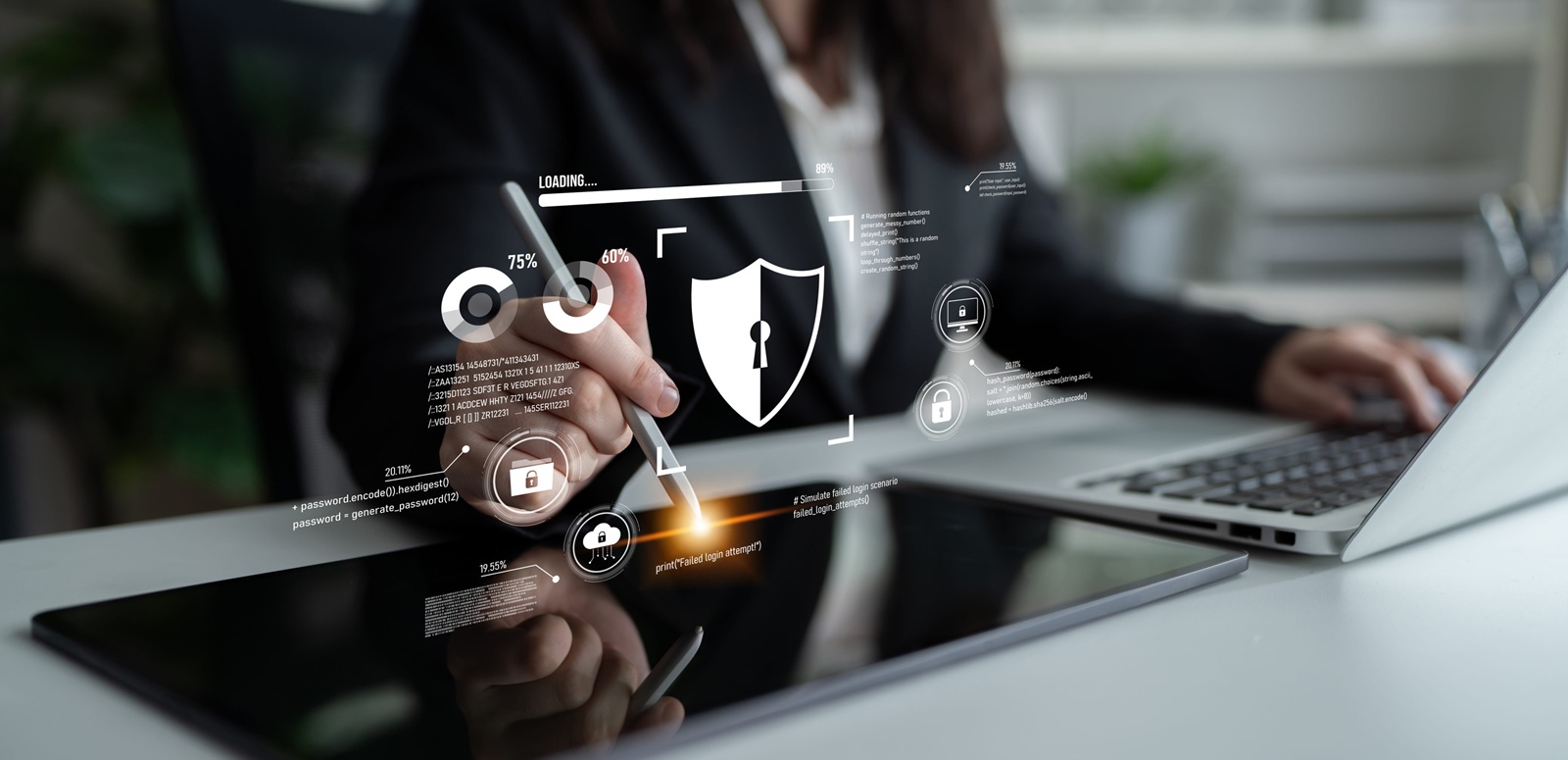
Conclusion: Strengthening Cybersecurity Through Endpoint Protection
Endpoint devices represent one of the most vulnerable entry points within modern technology environments. Without effective protection strategies, cybercriminals can exploit these devices to access sensitive data, deploy malicious software, and disrupt business operations.
Managed endpoint protection provides organizations with a comprehensive approach to securing every device connected to their systems. Through centralized monitoring, advanced threat detection, and professional security management, businesses gain stronger defenses against evolving cyber threats.
Stealth Technology Group helps organizations implement advanced cybersecurity frameworks that integrate endpoint protection, predictive intelligence, and data-driven monitoring into their technology environments. By supporting architecture, engineering, and construction firms with modern security solutions, the company enables businesses to operate confidently in an increasingly complex digital landscape.
Organizations seeking stronger cybersecurity protection can benefit from expert guidance and proactive security management. To learn how managed endpoint protection can safeguard your organization’s devices and digital infrastructure, contact Stealth Technology Group today at (617) 903-5559 or visit the website to contact us and begin building a secure technology environment.