Stealth Technology Group Team


Modern organizations are built on infrastructure. All application employees use; every customer interaction, every transaction, and every data-driven decision depends on servers, networks, storage systems, cloud platforms, and security layers operating in harmony. As businesses grow more digital and interconnected, infrastructure has become both more powerful and more complex. Managing that complexity internally is increasingly difficult, especially as uptime expectations rise and tolerance for disruption disappears.
Many organizations still operate with fragmented infrastructure oversight, relying on reactive fixes, siloed tools, and overstretched internal IT teams. This approach often works—until it doesn’t. Performance degradation, security gaps, and unexpected downtime quickly expose the fragility of unmanaged environments. This reality has pushed organizations to adopt it infrastructure managed services as a strategic solution rather than a tactical convenience.
This is where Stealth Technology Group plays a critical enabling role. Stealth delivers secure, performance-optimized IT infrastructure managed services that give organizations continuous visibility, proactive management, and scalable resilience across hybrid environments. By removing complexity and enforcing operational discipline, Stealth allows businesses to treat infrastructure as a strategic asset rather than a constant operational risk.
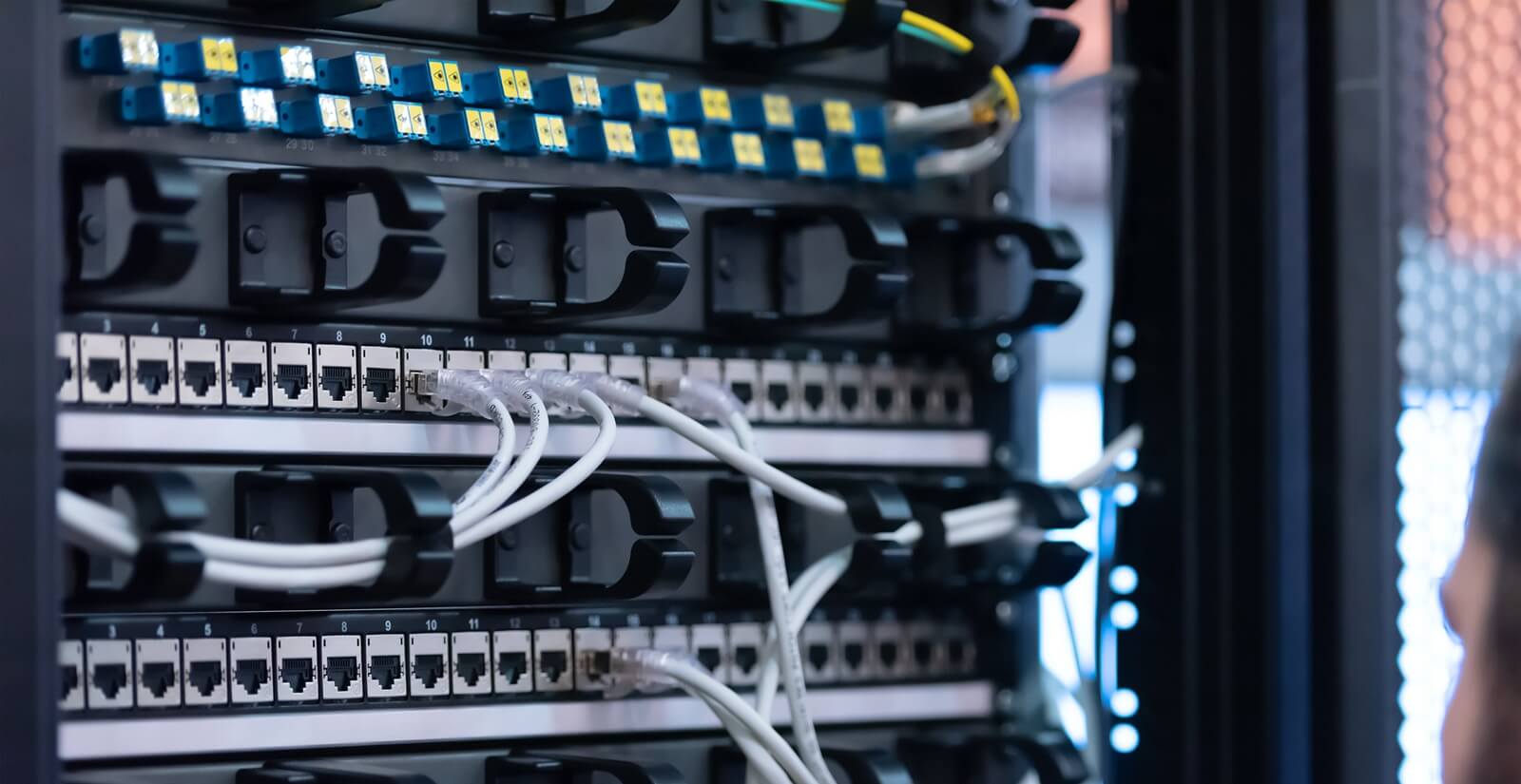
The Growing Complexity of Modern IT Infrastructure
IT infrastructure today is vastly different from what it was even a decade ago. Organizations no longer operate solely on on-premise servers and local networks. Instead, infrastructure spans cloud platforms, virtualized environments, remote endpoints, SaaS applications, and third-party integrations. Each layer adds value, but also introduces new dependencies, configurations, and potential points of failure. As a result, infrastructure complexity has increased exponentially.
This complexity creates operational blind spots. Performance issues may originate in one layer but surface in another. A cloud latency problem might appear as an application slowdown. A storage bottleneck can disrupt backups and security logging. Without unified oversight, internal teams often troubleshoot symptoms rather than root causes, leading to repeated disruptions and inefficient fixes.
IT infrastructure managed services address this challenge by treating infrastructure as a single, interconnected ecosystem. Rather than managing servers, networks, and cloud resources in isolation, managed services provide centralized monitoring, correlation, and control. This holistic visibility makes it possible to identify early warning signs, understand cross-system dependencies, and prevent cascading failures before they affect users.
As organizations adopt more digital tools and remote work models, infrastructure complexity will only continue to grow. Businesses that fail to address this complexity proactively often experience slower performance, higher support costs, and increased risk exposure. Managed services create structure, consistency, and predictability in environments that would otherwise become increasingly fragile.
Proactive Infrastructure Management vs. Reactive Firefighting
Reactive infrastructure management remains one of the most common causes of downtime and operational instability. In reactive models, IT teams respond only after users report problems, which often means systems have already failed or performance has degraded significantly. This approach forces teams into crisis mode, increases stress, and lengthens recovery times.
IT infrastructure managed services fundamentally change this dynamic by replacing firefighting with proactive prevention. Continuous monitoring, predictive analytics, and automated maintenance allow issues to be addressed long before they escalate into outages.
How Proactive Infrastructure Management Improves Stability
- Continuous health monitoring identifies abnormal behavior in servers, networks, and cloud workloads
- Predictive maintenance detects hardware degradation and capacity constraints early
- Automated patching and updates reduce exposure to vulnerabilities without disrupting operations
- Performance trend analysis prevents slowdowns during peak demand periods
Instead of reacting to emergencies, managed infrastructure teams resolve issues quietly in the background. This prevents business disruption and allows internal IT staff to focus on strategic initiatives rather than constant troubleshooting.
Reactive environments also tend to accumulate technical debt. Deferred updates, inconsistent configurations, and undocumented changes increase long-term risk. Proactive management enforces discipline and consistency, reducing failure points over time. The result is an infrastructure environment that becomes more stable as it evolves rather than more fragile.
Reliability and Uptime as Business-Critical Outcomes
Reliability is no longer an IT metric—it is a business requirement. Employees expect systems to work without interruption. Customers expect digital experiences to be available at all times. Partners expect reliable integrations. When infrastructure fails, the impact is immediate, visible, and costly.
IT infrastructure managed services improve reliability by designing environments with resilience in mind. Redundancy, failover mechanisms, and load balancing are implemented strategically rather than reactively. Single points of failure are identified and eliminated before they cause outages.
Reliability also depends on disciplined change management. Many outages are caused not by hardware failure but by misconfigured updates or rushed changes. Managed infrastructure services enforce structured change processes, testing updates before deployment and ensuring rollback paths exist. This controlled evolution allows infrastructure to improve without sacrificing stability.
Over time, organizations with managed infrastructure experience fewer disruptions, faster recovery, and more predictable performance. Reliability becomes an embedded characteristic of the environment rather than an aspirational goal.

Security Embedded Into Infrastructure Operations
Infrastructure security cannot be treated as a separate function. Many cyber incidents originate from infrastructure weaknesses such as unpatched systems, misconfigured access controls, or poorly segmented networks. Once compromised, attackers often move laterally through infrastructure, causing widespread disruption.
IT infrastructure managed services embed security directly into infrastructure operations. Continuous vulnerability management, access control enforcement, and network segmentation reduce attack surfaces across the environment. Security is monitored alongside performance, allowing threats to be detected and contained early.
Security incidents are also among the most common causes of extended downtime. Ransomware, data corruption, and forced system shutdowns can halt operations for days or weeks. By strengthening infrastructure security, managed services protect not only data but also availability and continuity. When security and infrastructure management operate together, organizations gain resilience rather than merely protection. Threats are addressed proactively, and incidents are contained before they escalate into business-wide disruptions.
Scalability Without Performance Degradation
Growth is one of the most challenging stress tests for infrastructure. Adding users, applications, data volumes, or locations can quickly overwhelm systems that were not designed to scale. Many organizations discover infrastructure limitations only after performance degrades or outages occur.
IT infrastructure managed services enable scalable growth by continuously aligning capacity with demand. Resource usage is monitored in real time, allowing compute, storage, and network resources to expand proactively. This prevents performance bottlenecks and ensures consistent user experience even during rapid growth.
Scalability also requires architectural foresight. Managed services help organizations adopt flexible designs that accommodate future needs without repeated overhauls. This includes hybrid cloud strategies, modular infrastructure components, and elastic capacity planning.
When scalability is managed proactively, growth becomes an opportunity rather than a risk. Organizations can expand confidently, knowing their infrastructure will support increased demand without disruption.
Standardization and Operational Discipline Across Infrastructure
Inconsistent infrastructure environments are inherently fragile. When systems are configured differently across locations, teams, or time periods, troubleshooting becomes slower and error-prone. Managed services improve stability by enforcing standardization and operational discipline.
Benefits of Infrastructure Standardization
- Faster troubleshooting due to predictable system behavior
- Reduced human error through consistent configurations and procedures
- Improved security posture by eliminating outdated or noncompliant systems
- Easier scalability and onboarding as new components follow established standards
Standardization does not mean rigidity. Instead, it provides a controlled framework within which infrastructure can evolve safely. Changes are intentional, documented, and repeatable, reducing risk as environments grow. Over time, standardized infrastructure becomes easier to support, audit, and optimize. Operational discipline transforms infrastructure management from an art into a repeatable, reliable process.
Infrastructure as a Strategic Advantage, Not a Cost Center
Organizations that treat infrastructure purely as a cost often underinvest in resilience and optimization. This short-term mindset leads to higher long-term costs through downtime, security incidents, and lost productivity. In contrast, organizations that view infrastructure strategically gain measurable advantages. IT infrastructure managed services transform infrastructure into a platform for performance, innovation, and growth.
Reliable systems enable faster decision-making, smoother collaboration, and better customer experiences. Leadership teams gain confidence that technology will support business goals rather than hinder them. As competition intensifies and digital expectations rise, infrastructure reliability becomes a differentiator. Businesses with stable, secure, and scalable environments move faster and recover quicker than those relying on reactive models.

Conclusion: Why Organizations Trust Stealth Technology Group
Infrastructure is the backbone of modern business, and managing it effectively requires more than tools—it requires discipline, expertise, and foresight. IT infrastructure managed services provide the proactive oversight, security integration, and scalability organizations need to operate confidently in complex digital environments.
Stealth Technology Group delivers enterprise-grade IT infrastructure managed services designed to maximize performance, resilience, and uptime across hybrid environments. By removing complexity and enforcing best practices, Stealth empowers organizations to turn infrastructure into a strategic advantage rather than an operational burden.
To strengthen your infrastructure foundation and future-proof your operations, contact us today or speak with a specialist at (617) 903-5559. The right infrastructure partner doesn’t just manage systems—it enables growth.